

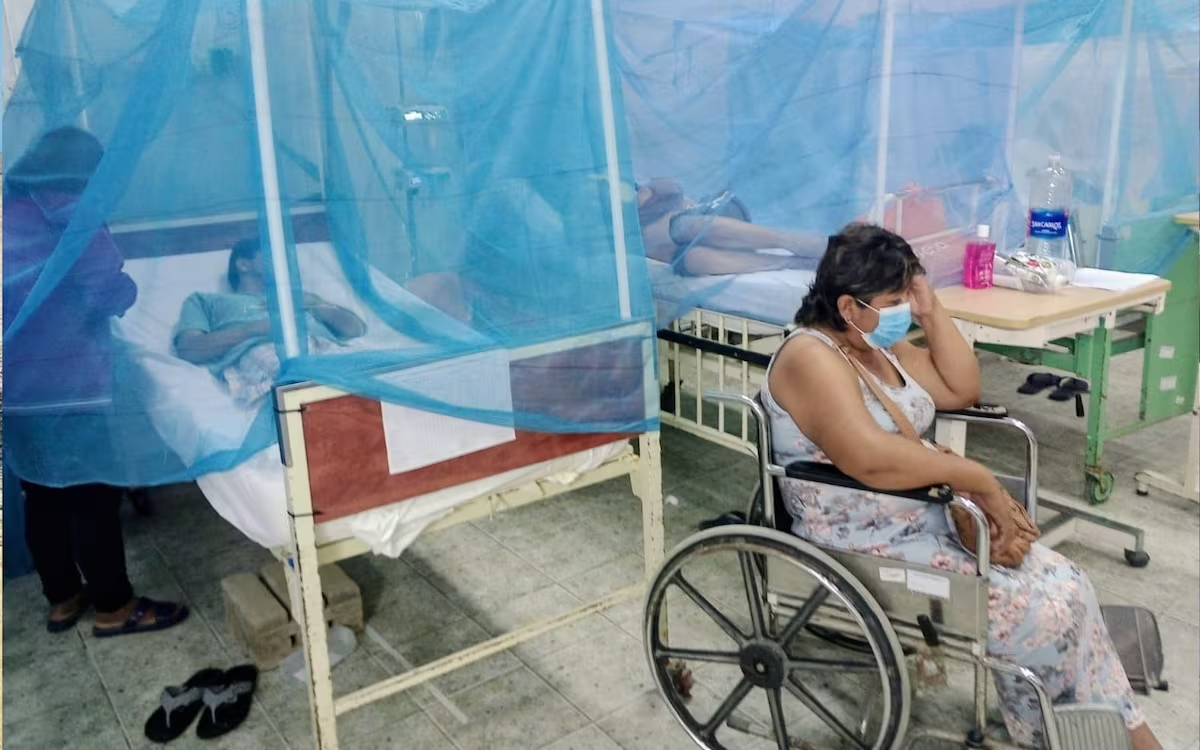

Health authorities in Peru are closely monitoring a significant rise in dengue infections in the northern region of Piura, where case numbers have increased sharply in recent weeks. According to official epidemiological surveillance data from the Ministry of Health, the country is facing a growing public health challenge, with over 2,000 suspected and confirmed cases recorded in the region since the beginning of the year.
The increase represents a substantial escalation compared to the same period in the previous year, indicating an intensification of viral transmission. Public health specialists in Peru have noted that the majority of infections are concentrated in specific provinces, with Piura, Morropón, and Sullana accounting for the overwhelming proportion of reported cases. Among these, Morropón has demonstrated the highest incidence rate, signalling a particularly acute localised outbreak.
Recent surveillance reports indicate that the number of weekly cases has consistently exceeded 300 over the past month, reflecting sustained transmission and raising concerns among epidemiologists. While dengue is endemic in many tropical regions, such rapid increases often point to favourable environmental conditions for mosquito proliferation, particularly the Aedes aegypti species, which is responsible for transmitting the virus.
Clinically, dengue infection can present with a range of symptoms, including high fever, severe headache, joint and muscle pain, and, in some cases, more severe complications such as haemorrhagic manifestations or organ impairment. The World Health Organization has consistently warned that early detection and appropriate clinical management are essential in reducing mortality associated with severe dengue.
Authorities in Peru have also reported a death currently under investigation, potentially linked to dengue infection. This development underscores the importance of timely diagnosis and access to healthcare services, particularly in regions experiencing high transmission rates.
Public health experts emphasise that vector control remains the most effective strategy to limit the spread of dengue. Measures include eliminating standing water where mosquitoes breed, ensuring proper waste management, and encouraging community participation in sanitation efforts. Preventive strategies are widely supported by scientific literature, which highlights environmental management as a critical component in reducing mosquito populations and interrupting transmission cycles.
The situation in Piura illustrates the broader challenges faced by countries in tropical climates, where seasonal variations and urban conditions can facilitate the spread of mosquito-borne diseases. Strengthening surveillance systems, promoting public awareness, and reinforcing preventive measures are key priorities for health authorities in Peru as they work to contain the outbreak and protect vulnerable populations.