
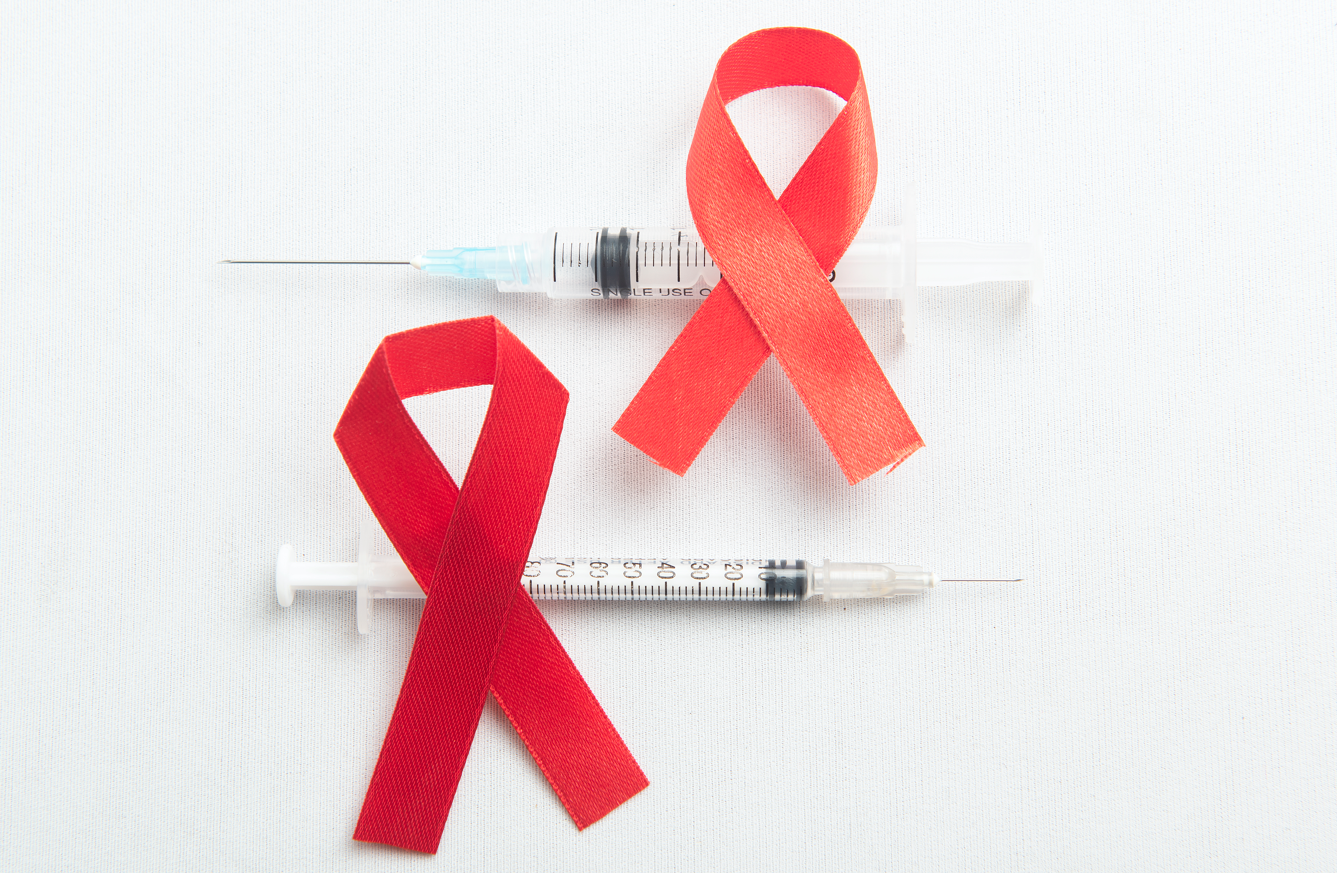
San José, Costa Rica – The Ministry of Health in Costa Rica has updated national regulations to permit the use and broader distribution of HIV self-tests, marking a significant policy shift aimed at strengthening early diagnosis of the Human Immunodeficiency Virus (HIV). This public health initiative seeks to expand access to testing, particularly among individuals who face barriers to conventional clinical screening.
Under the revised framework, approximately 1,500 self-testing kits will be distributed free of charge throughout 2026 via six civil society organisations as part of a complementary strategy to improve public health outcomes. These tests will also be available through pharmacies, clinics and private laboratories, making them more widely accessible beyond traditional healthcare settings.
A New Approach to HIV Testing
The authorised self-tests include two formats: one that uses a saliva sample and another that requires a small blood sample from a finger prick. Individuals can perform the tests in private and at a time that suits them, allowing for greater autonomy and confidentiality. The health ministry recommends undertaking self-testing approximately three months after potential exposure to HIV to ensure accurate results.
This policy change responds to epidemiological data indicating ongoing transmission of HIV in Costa Rica. Official figures show that in 2024, 940 new cases were reported, with a high incidence among men aged 20 to 34, underscoring the importance of increasing both accessibility and uptake of testing among sexually active populations.
Aligning with Global Health Guidance
The move to authorise self-testing aligns with global public health recommendations. The World Health Organization (WHO) has long advocated HIV self-testing as a complementary approach to traditional facility-based screening, noting its potential to reach populations who might not otherwise be tested due to stigma, geographic isolation, or concerns about privacy. WHO guidelines underline that self-testing should be part of comprehensive HIV testing services, with mechanisms in place to link individuals with reactive results to confirmatory diagnostics and care.
Research suggests that HIV self-testing is safe and effective when implemented alongside appropriate follow-up services. Studies cited by WHO indicate that self-testing can increase overall testing uptake, particularly among groups at elevated risk of HIV exposure, and may help close gaps in diagnosis that hinder efforts to control the epidemic.
Public Health Implications and Next Steps
Early detection of HIV is critical for timely initiation of antiretroviral therapy, which improves individual health outcomes and reduces onward transmission. By enabling individuals to learn their status in a private and convenient manner, the Costa Rican health authorities aim to address barriers that impede conventional testing uptake and thus reduce the prevalence of undiagnosed HIV infection.
Experts have welcomed the regulatory update, noting that greater access to self-testing could empower people to engage proactively with their sexual health while strengthening national efforts to meet international HIV control targets. Close linkage between self-testing initiatives and comprehensive care pathways, including confirmatory testing and treatment services, will be essential to maximise the public health benefits of this strategy.
As Costa Rica expands access to self-testing, health authorities emphasise the importance of combining this tool with existing prevention and treatment services to build a robust, inclusive approach to HIV diagnosis and care across the country.