

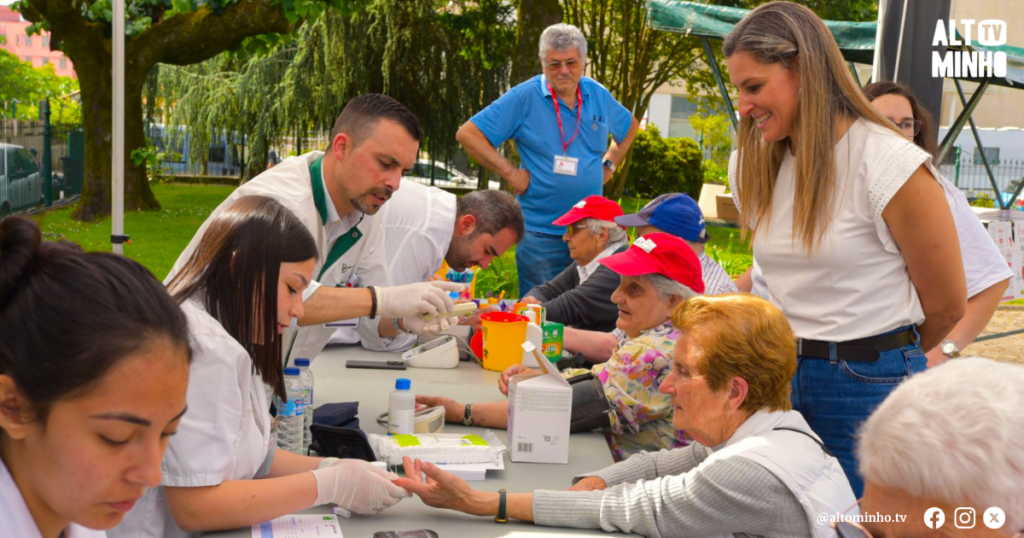

A community-based health initiative in Portugal has brought renewed attention to the importance of cardiovascular prevention and healthy ageing. The event, organised in the municipality of Valença, formed part of broader awareness activities dedicated to heart health and targeted primarily at older adults and vulnerable populations.
The programme brought together participants from social care institutions and community organisations, reflecting a collaborative approach to public health promotion. With cardiovascular disease remaining one of the leading causes of mortality globally, initiatives of this nature are increasingly recognised as essential tools in reducing risk through education, prevention, and early detection.
Throughout the event, attendees engaged in a range of activities designed to encourage healthier lifestyles. Physical exercise formed a central component, including adapted movement sessions tailored to the needs of older individuals. Research published in journals such as European Heart Journal consistently demonstrates that regular physical activity contributes to improved cardiovascular function, reduced blood pressure, and enhanced overall well-being, particularly in ageing populations.
Nutritional education also played a key role. Health professionals provided guidance on balanced dietary habits, emphasising the importance of nutrient-rich foods in maintaining cardiovascular health. Evidence from large-scale studies, including those referenced in The Lancet Public Health, highlights the strong association between diet quality and the prevention of conditions such as hypertension, diabetes, and dyslipidaemia.
In addition to lifestyle interventions, the initiative incorporated preventative health screenings. Participants were offered assessments of key clinical indicators, including blood pressure, blood glucose, and cholesterol levels. These screenings are widely recommended by organisations such as the World Health Organization as effective measures for identifying early signs of cardiovascular risk and enabling timely medical intervention.
Educational outreach was further reinforced through informational stands and awareness campaigns focused on heart disease prevention and management. Such efforts are particularly important in older populations, where the prevalence of chronic conditions is higher and early detection can significantly influence long-term outcomes.
The initiative also reflects a broader policy emphasis in Portugal on promoting active ageing. Encouraging older adults to remain physically, socially, and mentally engaged is increasingly viewed as a cornerstone of sustainable healthcare systems. Studies in gerontology and public health suggest that community engagement and preventive care can reduce hospital admissions and improve quality of life among seniors.
By integrating physical activity, nutritional guidance, and clinical screening into a single programme, the event demonstrates a holistic approach to health promotion. It underscores the importance of local initiatives in complementing national healthcare strategies, particularly in addressing non-communicable diseases such as cardiovascular conditions.
As healthcare systems across Europe continue to adapt to ageing populations, community-driven interventions like this one in Portugal highlight the value of prevention-focused models. Strengthening awareness, improving access to screening, and encouraging healthier lifestyles remain critical steps in reducing the burden of cardiovascular disease and supporting long-term public health outcomes.