


A growing body of scientific evidence suggests that climate change may significantly alter the global distribution of mosquito-borne diseases, with new research indicating that regions such as Europe and North America could face an increased risk of chikungunya transmission in the coming decades.
The study, conducted by researchers in China and published in Frontiers in Cellular and Infection Microbiology, highlights how rising global temperatures are creating more favourable conditions for mosquito vectors to expand beyond their traditional habitats. Chikungunya, a viral disease primarily transmitted by Aedes mosquito species, has historically been confined to tropical and subtropical regions. However, environmental changes are now reshaping this pattern.
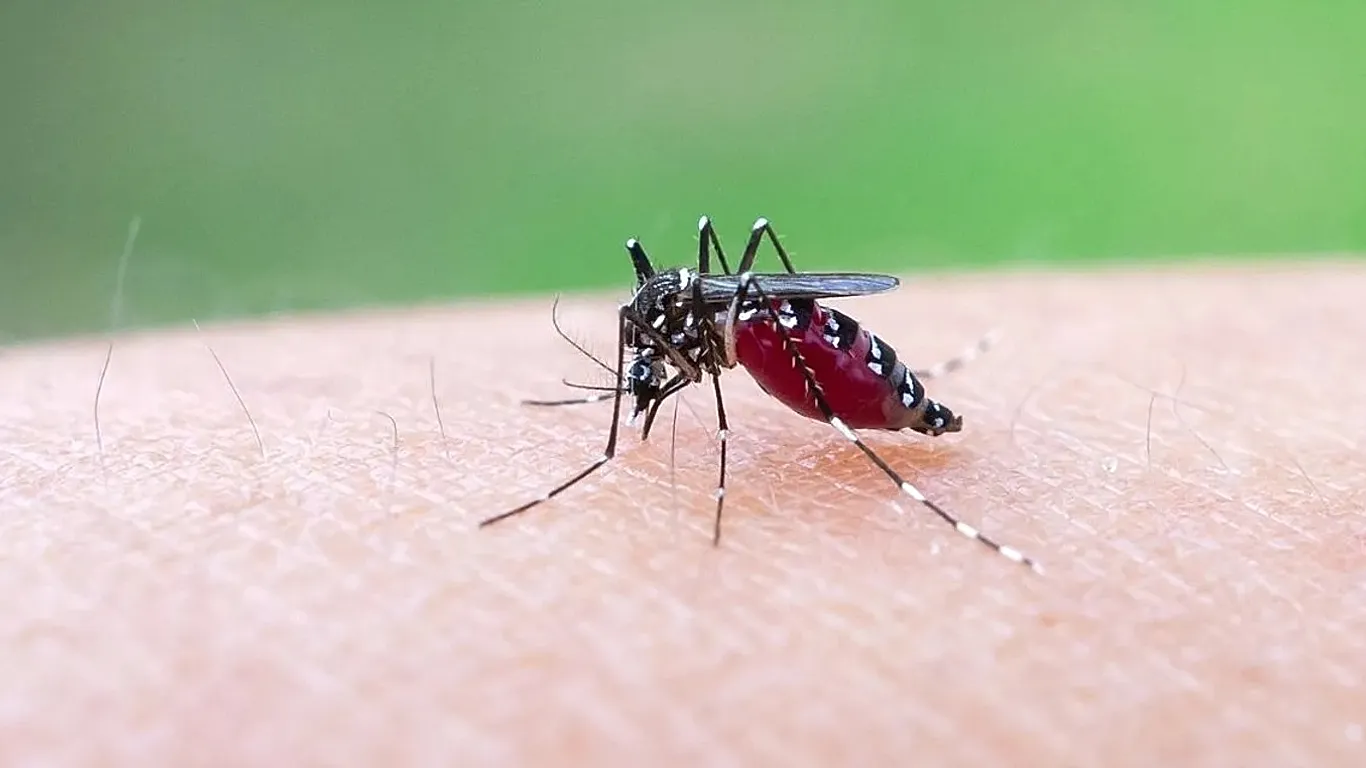
Two mosquito species are central to the transmission of the virus: Aedes aegypti, commonly associated with urban tropical environments, and Aedes albopictus, also known as the Asian tiger mosquito. The latter is of particular concern due to its ability to survive in cooler climates. Scientific observations following previous outbreaks have demonstrated that viral adaptations can enhance transmission efficiency in this species, increasing the likelihood of spread into temperate regions.
Temperature plays a critical role not only in mosquito distribution but also in viral dynamics. Laboratory and epidemiological studies indicate that within moderate temperature ranges, the virus can replicate more rapidly inside the mosquito, shortening the time required for transmission. This acceleration raises the probability of outbreaks, particularly in regions where mosquito populations become newly established.
Currently, chikungunya is not endemic in Europe or North America, and reported cases are largely associated with international travel. However, predictive modelling based on climate scenarios developed by the Intergovernmental Panel on Climate Change suggests that this situation may change. The projections consistently identify central and northern parts of Europe, as well as north-eastern areas of North America, as regions at increasing risk by the end of the century.
Globally, chikungunya has already demonstrated substantial public health impact. Transmission has been documented in over a hundred countries, placing a significant proportion of the world’s population at potential risk. Although the disease is rarely fatal, it can lead to prolonged joint pain, disability, and a measurable burden on healthcare systems, as reflected in metrics such as disability-adjusted life years (DALYs), widely used in global health research.
The spread of chikungunya is closely tied to the ecology of its mosquito vectors. As environmental conditions become more suitable for these species, the likelihood of local transmission increases. This pattern aligns with broader findings in infectious disease research, including studies published in journals such as The Lancet Infectious Diseases, which link climate variability to the emergence and redistribution of vector-borne illnesses.
Public health experts emphasise that preparedness will be essential in mitigating future risks. Recommended strategies include strengthening mosquito surveillance systems, improving early diagnostic capabilities among healthcare professionals, and implementing targeted vector control measures. These interventions are particularly important in temperate regions where chikungunya has not traditionally been a public health priority.
The findings underscore a critical intersection between climate science and global health. As environmental changes continue to influence disease patterns, countries including United Kingdom, Germany, United States, China and Japan may need to adapt their health systems to address emerging infectious threats.
While the expansion of chikungunya risk does not imply immediate widespread outbreaks, it highlights the importance of proactive planning. Monitoring environmental changes, investing in research, and reinforcing public health infrastructure will be crucial steps in reducing the potential impact of this evolving global health challenge.