


In South Africa, increasing scientific attention is being directed towards the intersection between climate change and respiratory health, as evidence suggests that environmental transformations are exacerbating existing lung conditions across the population.
Respiratory illnesses already represent a significant health burden in South Africa, where infectious diseases such as tuberculosis and HIV-related pulmonary complications remain widespread. Alongside these, chronic conditions—including asthma and chronic obstructive pulmonary disease (COPD)—are becoming more prevalent. Epidemiological data indicate that asthma affects a substantial proportion of the population, particularly among children and adolescents, with mortality rates remaining disproportionately high compared to global averages.
Researchers emphasise that climate change does not act as a direct cause of respiratory disease. Rather, it functions as a catalyst that intensifies pre-existing risk factors. Findings consistent with reports published in journals such as The Lancet Planetary Health suggest that environmental variables—including air pollution, temperature fluctuations and aeroallergen exposure—play a critical role in shaping respiratory outcomes.
In South Africa, rising temperatures and increased frequency of extreme weather events are contributing to the worsening of respiratory symptoms. Heatwaves, for instance, have been associated with elevated hospital admissions for asthma and other lung conditions. Similarly, changes in rainfall patterns and humidity levels can influence airborne allergens, potentially triggering acute respiratory episodes.
One phenomenon of particular concern is the relationship between atmospheric conditions and allergen behaviour. Research has demonstrated that climatic changes can alter pollen production, both in quantity and potency. Elevated carbon dioxide levels may increase the allergenic strength of pollen grains, thereby intensifying immune responses in susceptible individuals. This is especially relevant in South Africa, where biodiversity contributes to a wide range of pollen types and seasonal exposures.
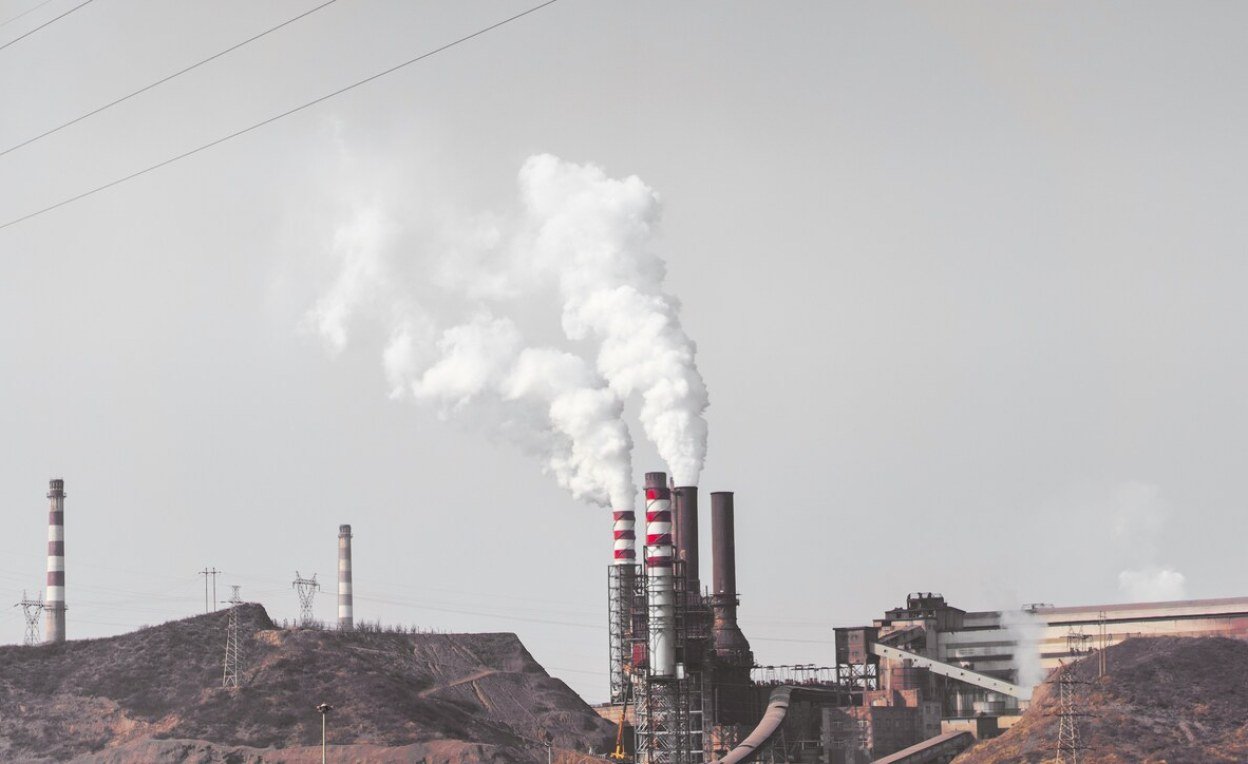
Air quality represents another critical dimension of this issue. Fine particulate matter, commonly referred to as PM2.5, is generated by sources such as vehicle emissions, industrial processes and the burning of fuels. According to the World Health Organization (WHO), these microscopic particles can penetrate deep into the respiratory tract, leading to inflammation and exacerbation of chronic lung diseases. In addition, ground-level ozone—formed through chemical reactions influenced by heat and sunlight—has been linked to declining respiratory function.
The health impacts of these environmental changes are not evenly distributed. Vulnerable groups, including children, older adults and individuals living in informal settlements, are disproportionately affected. Socio-economic inequalities in South Africa contribute to varying levels of exposure and access to healthcare, amplifying the overall burden of disease.
Despite these challenges, experts underline that respiratory conditions such as asthma are largely manageable with appropriate medical care. Advances in treatment, including combination inhalers and personalised management strategies, have demonstrated effectiveness in reducing severe episodes and hospitalisations. Studies published in The European Respiratory Journal highlight the importance of adherence to treatment and early intervention in improving patient outcomes.
Furthermore, integrating environmental monitoring with public health systems offers promising avenues for mitigation. Tracking air pollution levels, pollen counts and weather patterns could support early warning mechanisms, enabling individuals and healthcare providers to take preventive measures.
The situation in South Africa underscores a broader global reality: climate change is increasingly recognised as a determinant of health. As environmental conditions continue to evolve, addressing their impact on respiratory health will require coordinated action across scientific, medical and policy domains.
Ultimately, the evidence indicates that while the risks are escalating, they are not insurmountable. Strengthening healthcare infrastructure, improving environmental policies and raising public awareness may significantly reduce the impact of climate-related respiratory diseases in South Africa.