

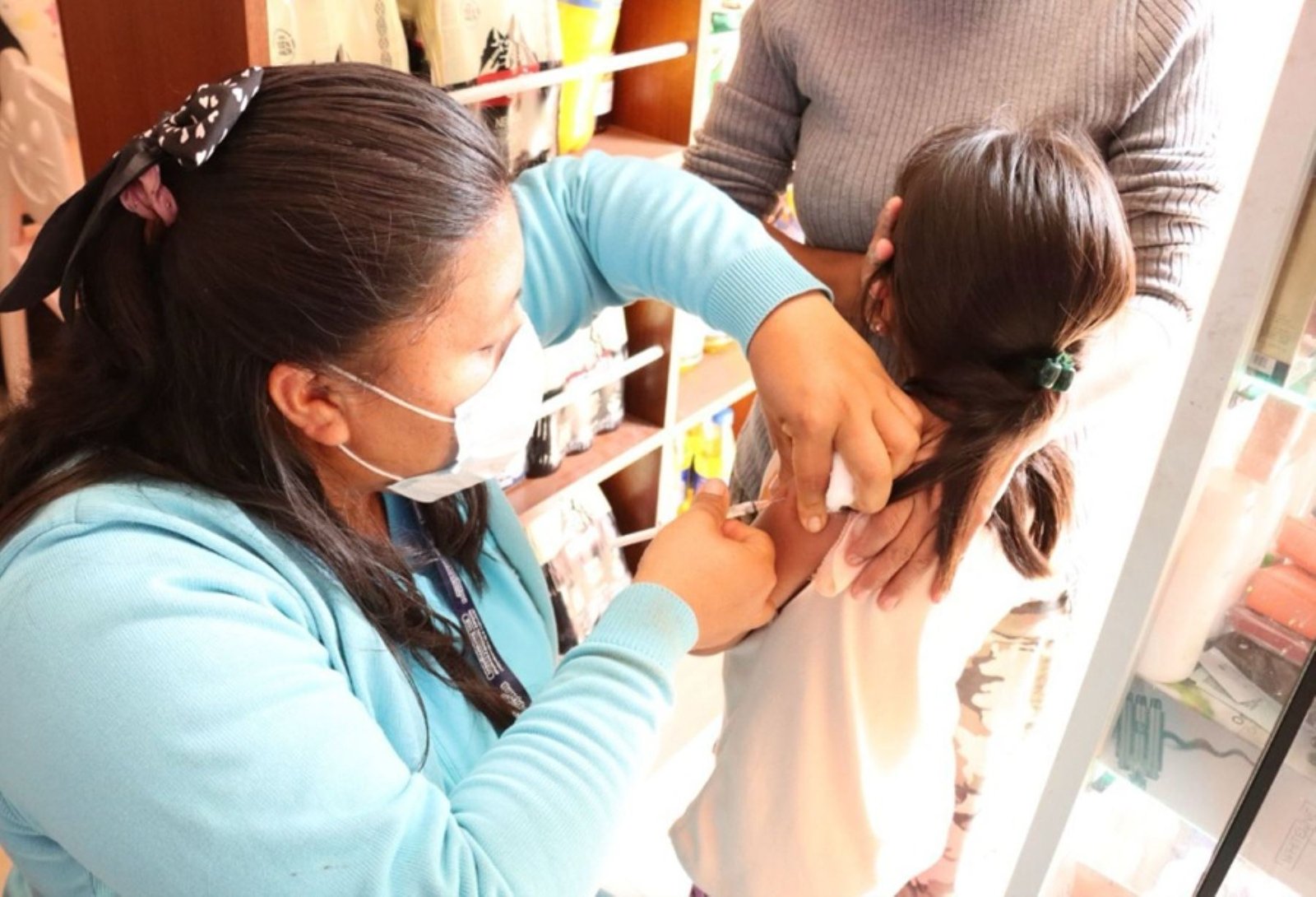
Public health officials in Peru have reported significant progress in childhood immunisation coverage across the Lambayeque region during 2025, with more than 38,000 children receiving routine vaccines. The achievement represents a notable step forward in safeguarding infant and early childhood health, although authorities warn that substantial gaps remain.
According to the Regional Health Directorate of Lambayeque (Gerencia Regional de Salud – Geresa), a total of 38,690 children were vaccinated during the year. Despite this advance, approximately 15,000 children under the age of five have yet to complete their full immunisation schedules. Health officials estimate that only 73 per cent of the target population of 53,000 young children has received all recommended doses.
José Enríquez Salazar, regional immunisation coordinator at Geresa Lambayeque, cautioned that children who have not completed their vaccination schedules remain susceptible to preventable infectious diseases. These include measles, yellow fever and whooping cough, conditions that continue to pose public health risks in Peru, particularly amid population mobility and uneven healthcare access.
Health authorities stressed that recent years have seen concerning cases of whooping cough, as well as confirmed instances of measles and yellow fever nationally. Such developments underline the importance of maintaining high vaccination coverage to prevent outbreaks, especially in densely populated or hard-to-reach areas.
To address the remaining coverage gap, regional health services have deployed mobile vaccination teams conducting door-to-door visits in districts with lower uptake. Areas such as Chiclayo, José Leonardo Ortiz, Mórrope and Olmos have been prioritised due to high population density, geographic dispersion and frequent internal migration linked to employment, factors that complicate consistent follow-up of children’s immunisation status.
Specialists also emphasised that national technical guidelines allow delayed vaccinations to be administered later than the originally scheduled age. Booster doses may be given up until the age of seven, reinforcing the principle that no child should remain unvaccinated due to missed appointments or mobility-related barriers.
Progress has also been reported in other age groups. In the case of vaccination against the human papillomavirus (HPV), approximately 48,000 children and adolescents were immunised, reaching close to the full coverage target. Nonetheless, a small shortfall persists among nine-year-old children, a group considered critical for effective HPV prevention strategies.
In contrast, immunisation rates among older adults remain comparatively low. Geresa Lambayeque reported that only 48 per cent of the target population of 108,905 older adults has been vaccinated. Health officials acknowledged that this highlights the need for stronger awareness campaigns and tailored outreach strategies for this vulnerable demographic.
Public health experts note that vaccination remains one of the most effective and evidence-based interventions for preventing infectious diseases and reducing healthcare burdens. Authorities in Peru continue to call on families and communities to engage actively with immunisation services, stressing that sustained prevention efforts are essential to protect public health across all age groups.