

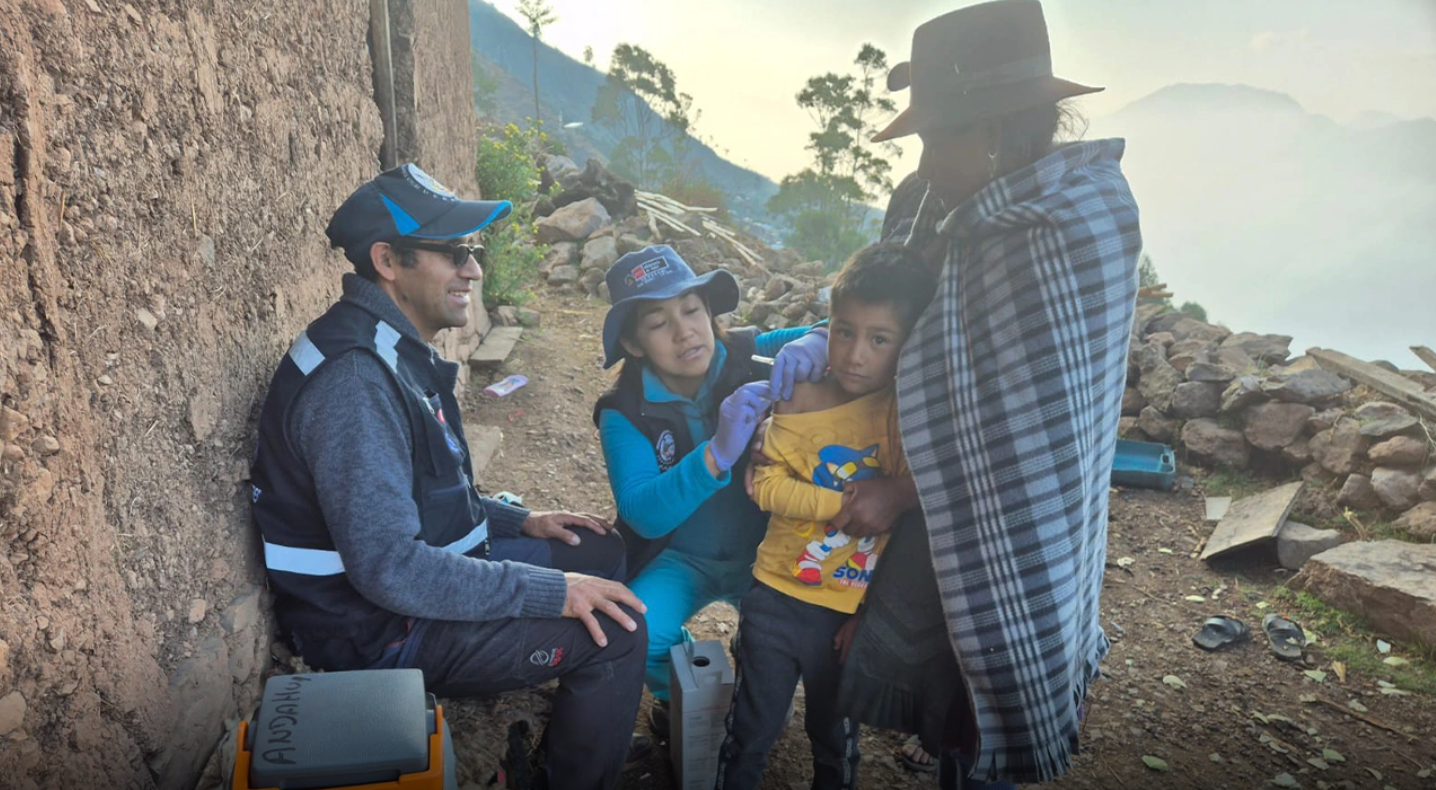

A recent immunisation initiative in the Ayacucho region of Peru has achieved substantial progress in increasing vaccine coverage among children, according to regional health authorities. The campaign, conducted as part of a broader effort aligned with international public health strategies, reached approximately 70% of its target population during an intensive vaccination period.
The initiative forms part of a wider programme designed to strengthen protection against vaccine-preventable diseases across Peru. Health officials in Ayacucho highlighted that the campaign primarily focused on children under the age of five, a group considered particularly vulnerable to infectious diseases and therefore prioritised within national immunisation schedules.
Despite the encouraging results observed during the campaign, authorities in Peru have stressed that vaccination is a continuous process rather than a one-time intervention. Current annual coverage levels in the region remain in line with expectations for this stage of the year, reflecting the progressive nature of immunisation schedules, which are administered according to age-specific timelines.
Data collected from different healthcare networks within Ayacucho, Peru, indicate that certain areas demonstrated higher participation rates, contributing to the overall increase in administered doses. The campaign resulted in the delivery of tens of thousands of vaccine doses, reinforcing its role in expanding access to essential preventive care.
In addition to paediatric immunisation, the initiative also placed emphasis on protecting older adults, particularly through vaccination against seasonal influenza. This focus is especially relevant during periods of lower temperatures, when respiratory infections tend to rise. Scientific evidence supports the role of influenza vaccination in reducing morbidity and mortality among high-risk populations (World Health Organization, 2022).
Peru’s national immunisation programme includes a comprehensive schedule covering multiple stages of life, offering protection against a wide range of infectious diseases such as measles, poliomyelitis, hepatitis A, and pneumococcal infections. These vaccines are provided free of charge through an extensive network of healthcare facilities across the country.
Public health authorities in Peru continue to encourage parents, caregivers, pregnant women, and older adults to ensure that all recommended vaccinations are up to date. They emphasise that even individuals who have missed scheduled doses can safely resume and complete their immunisation programmes.
The progress observed in Ayacucho reflects the ongoing commitment of Peru’s healthcare system to improving vaccination coverage. However, experts underline that sustained participation is essential to maintain population immunity and prevent the resurgence of diseases that are largely avoidable through effective immunisation strategies.