

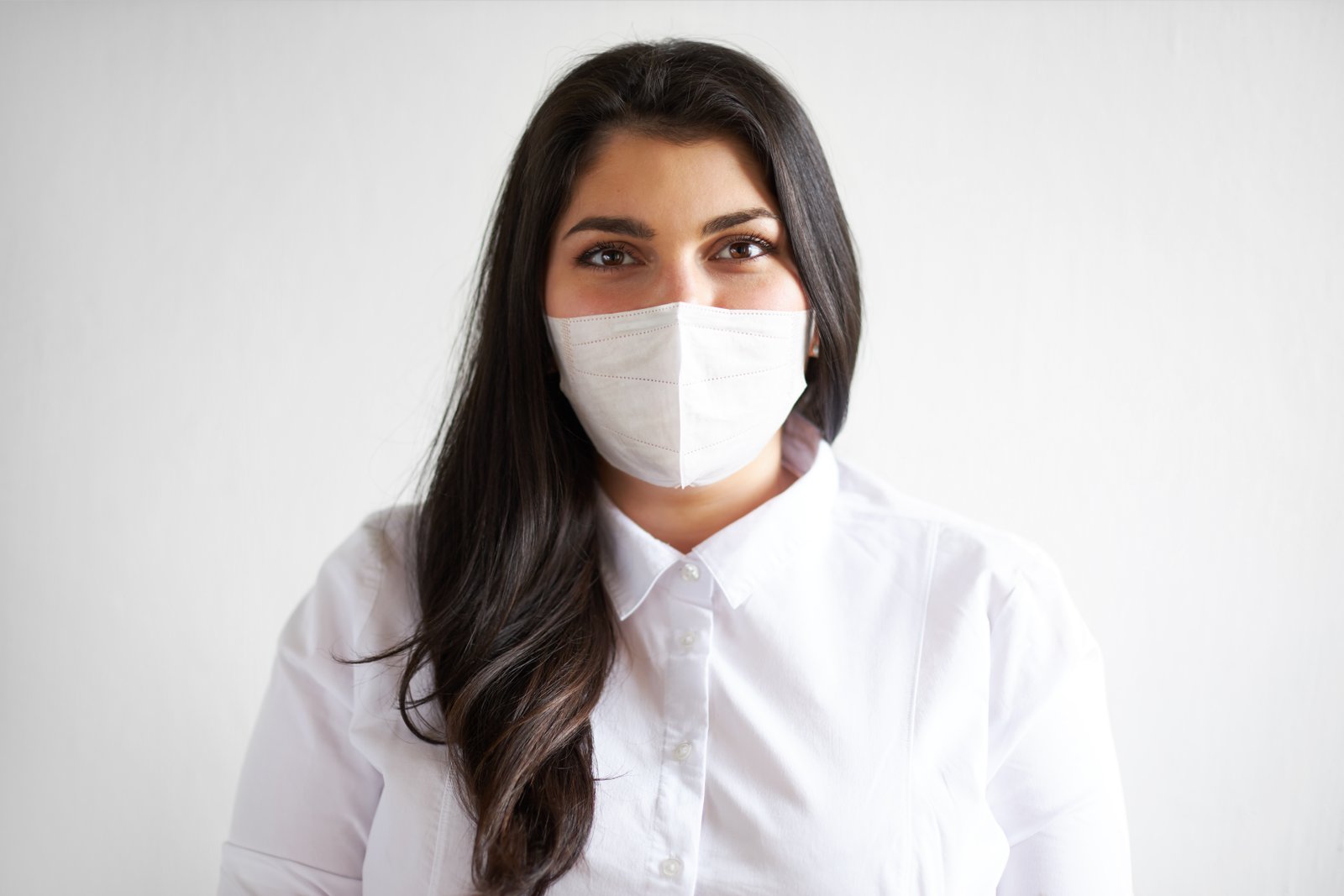
Health authorities in Catalonia, Spain, have reinstated mandatory mask use across hospitals, primary care centres and residential homes for older adults following a steep rise in influenza cases. The decision, announced in Barcelona, comes in response to updated surveillance data showing that the region has entered a phase of very high viral circulation.
Presenting the measure, the regional Health Secretary, Sílvia Paneque, emphasised that face coverings in environments with vulnerable individuals “play a crucial role in protecting lives”. The policy, which takes effect this Wednesday, applies to all healthcare workers, patients, visitors and carers within these facilities.
Escalating Transmission in Catalonia
According to figures from the Catalan Infection Surveillance System (SIVIC) for the period of 1–7 December, the region registered an estimated 418 influenza cases per 100,000 inhabitants, with 24,969 newly confirmed infections over the seven-day span. Experts attribute the intensity of the current wave to the rapid spread of circulating respiratory pathogens, which tend to increase pressure on emergency departments and primary care networks during winter months.
Epidemiologists highlight that mask-wearing remains an effective, low-cost intervention in healthcare settings. Multiple peer-reviewed studies support mask use during respiratory virus surges; for example, research published in The Lancet Public Health notes that well-fitted masks can significantly reduce transmission risk in high-exposure environments.
National Concerns and Calls for Preparedness
Elsewhere in Spain, professional bodies have expressed growing concern. The Spanish Society of Internal Medicine recently issued an alert urging the activation of hospital contingency plans to prevent overstretching health services amid the rising wave of respiratory infections.
The organisation reported a national average incidence of 643 respiratory virus cases per 100,000 inhabitants in the previous week. In addition, clinicians have observed a higher number of medical complications among patients living with chronic diseases. This trend has been associated with the circulation of influenza variant K, described by specialists as more transmissible than those typically detected in previous seasons.
Doctors warn that the increased spread of this strain has contributed to a rise in decompensations in individuals with pre-existing cardiovascular conditions and chronic respiratory disorders, reinforcing the need for preventive strategies in healthcare environments.
A Renewed Emphasis on Protection
While Catalonia is among the first Spanish regions to reinstate compulsory mask use this winter, public health officials stress that such measures are temporary and targeted. Their aim is to shield those at the highest risk of complications, including older adults and people living with chronic illnesses.
Authorities continue to encourage vaccination, early symptom recognition and responsible behaviour when ill. With Spain entering the peak months of seasonal infections, experts underscore that timely protective measures—and adherence to them—remain essential to mitigate the burden on the healthcare system.