

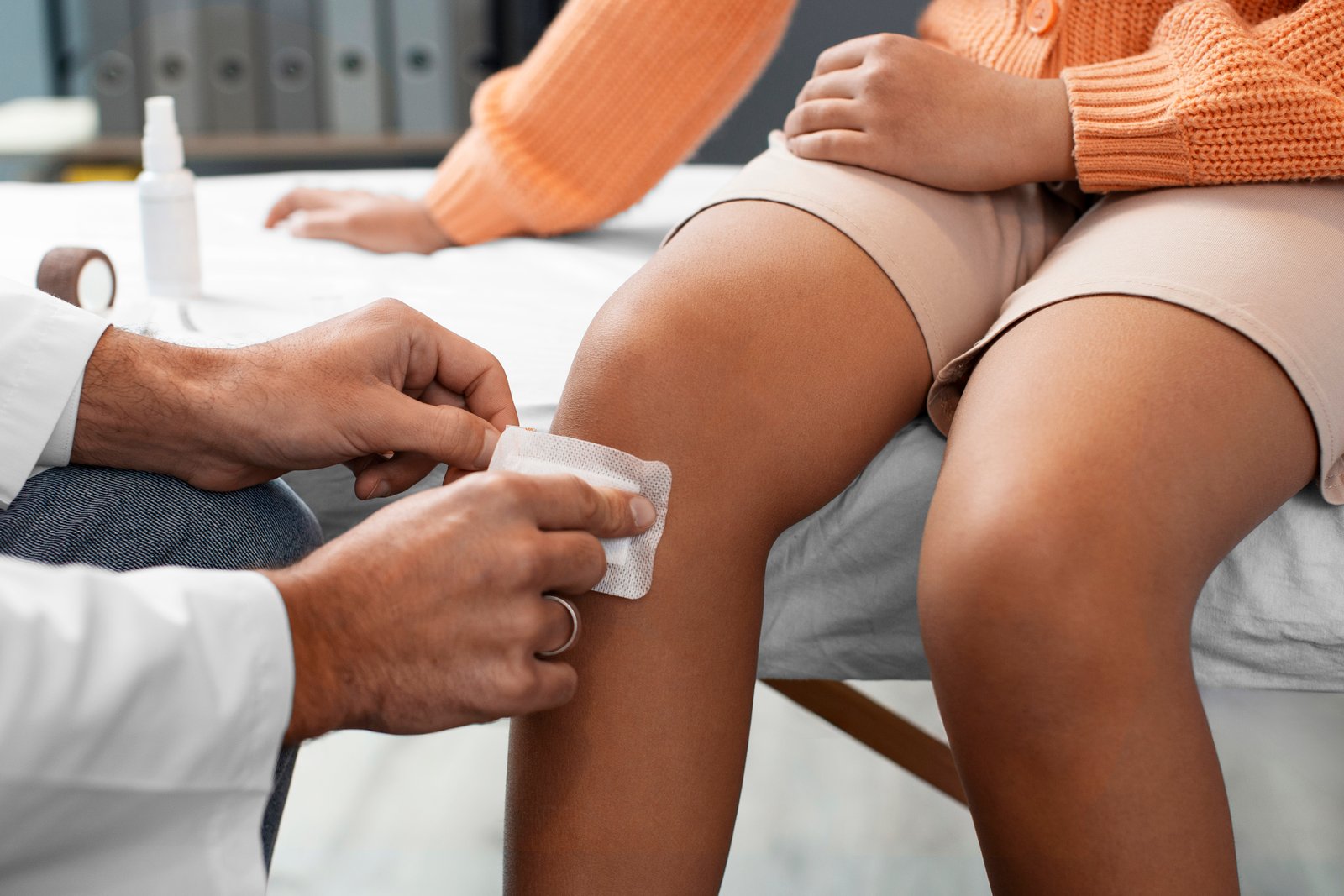
A New Milestone for a Brazilian Medical Innovation
In Brazil, a pioneering wound-care technology made from the skin of Nile tilapia has advanced to its final stage before entering the healthcare market. After nearly ten years of research conducted by the Federal University of Ceará, the institution has formally transferred the manufacturing rights to two companies specialising in environmental and biotechnological processes. These companies will now be responsible for refining the product, carrying out complementary studies and pursuing the regulatory approvals required for use in hospitals and clinics across the country.
How Tilapia Skin Became a Functional Bio-Dressing
Tilapia skin, typically discarded during fish processing, has shown remarkable potential as a biological material. Once treated, sterilised and prepared according to clinical standards, the skin demonstrates strong adhesion to wounded tissue, maintains adequate moisture levels and provides a stable barrier that supports healing. These qualities stem largely from its structural composition, notably its high collagen content, which contributes to tissue regeneration.
The research originally focused on patients suffering from burns. Clinical trials conducted in Brazil revealed that the therapeutic response of the tilapia-skin dressing is comparable to modern dressings containing silver — a widely used option in burn treatment. On average, wounds treated with the fish-skin material healed in just over nine days, a recovery time similar to that of established products.
Clinical Outcomes and Patient Experience
Patients who participated in the studies reported pain levels comparable to those experienced with conventional dressings. The material also adhered effectively to injured areas, reducing the need for frequent dressing changes — a factor that can lessen patient discomfort and optimise clinical workflow.
Although the initial trials were centred on burn injuries, the positive results prompted researchers to extend investigations to other types of wounds. The technology is also being explored for potential veterinary applications, expanding its relevance beyond human healthcare.
Why It Matters for Brazil
The advance has broader implications for Brazil’s healthcare system. Tilapia is abundantly farmed in the country, and its skin is inexpensive due to its status as a by-product. Converting this material into a therapeutic dressing creates a low-cost alternative that may be especially valuable in regions with limited access to high-technology wound-care solutions.
This project highlights the country’s ability to generate scientific innovation that is both practical and socially impactful. By using locally available resources, the initiative helps strengthen national research capacity while offering a solution that can improve wound treatment accessibility.
Next Steps Toward Commercial Release
With the patent licence now in place, the partner companies must complete product development, undertake additional safety validation and seek sanitary authorisation before market distribution. Plans include creating a dedicated treatment kit and assessing applications in both human and veterinary medicine.
Although several regulatory stages remain, the initiative is regarded as a significant step towards providing a cost-effective and efficient wound-care option across Brazil — and potentially beyond.
Conclusion
This Brazilian innovation marks an important achievement in the field of regenerative medicine. By transforming an abundant, low-cost material into a clinically promising dressing, the project opens new possibilities for accessible wound care. As the technology progresses towards regulatory approval, it represents not only a scientific milestone but also a potential model for sustainable medical solutions worldwide.