

Brazil — Brazilian police have detained a veterinarian accused of leading an illicit network responsible for unusually high volumes of ketamine prescriptions over a four-year period. The arrest, reportedly made in the state of São Paulo, follows a wide-ranging operation conducted by authorities from Paraná that has already resulted in multiple detentions across Brazil.
According to figures released by the country’s Ministry of Agriculture, the professional allegedly authorised more than 112,000 vials of ketamine between 2021 and 2025. Experts estimate that such a quantity could theoretically be sufficient to anaesthetise over two million medium-sized dogs or around seven million cats, highlighting the disproportionate scale of the prescriptions compared with normal clinical demand in Brazil.
Officials suggest that if purchased at standard market value, the stock would represent roughly £2 million. However, police sources believe the substances may have been channelled into unlawful markets for recreational misuse, potentially multiplying the estimated profits. Ketamine, while used legally in animal medicine for anaesthesia, has internationally documented misuse as a dissociative drug, leading countries such as the United Kingdom to classify it as a controlled substance under tighter regulation for both human and veterinary use (Home Office, UK Government).
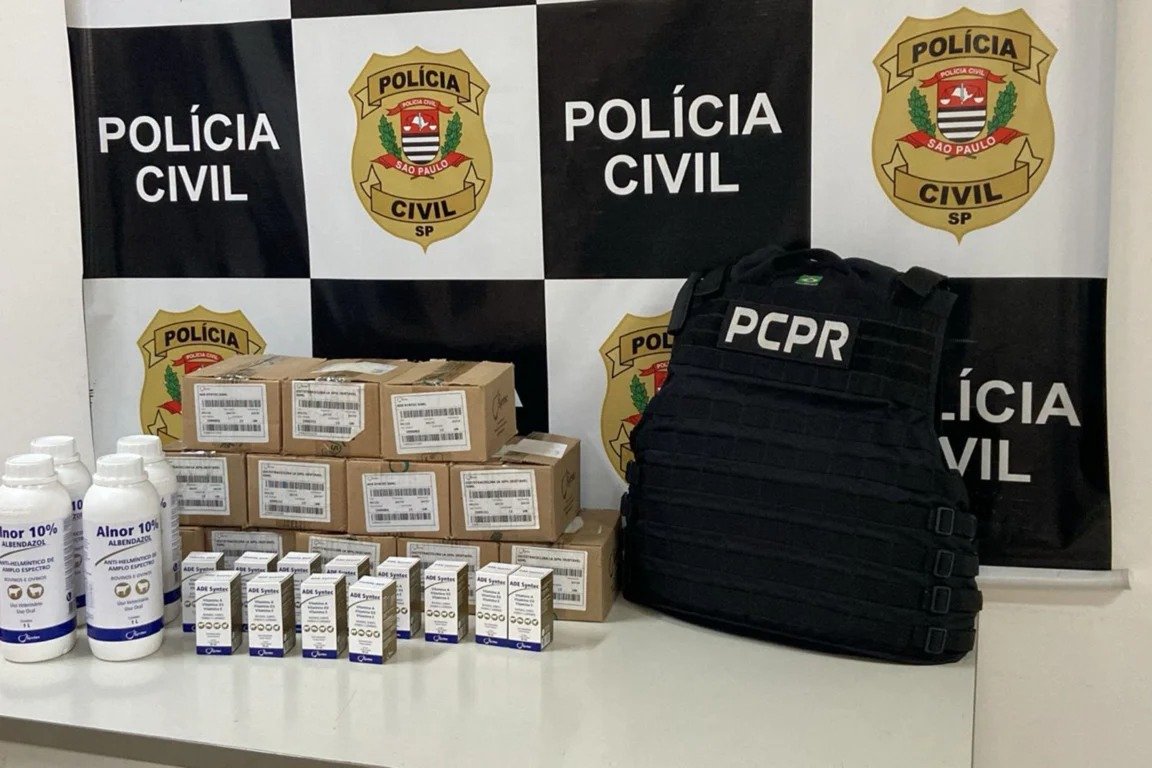
The operation, which involved coordinated activity in five Brazilian states, resulted in the seizure of ketamine boxes, cash, and a firearm. Investigators began the inquiry earlier this year after police confiscated over 1,000 units of the drug in Paraná. Although paperwork appeared legitimate, financial inconsistencies — including large cash payments and fragmented invoicing within minutes — raised suspicions of laundering or diversion for non-medical purposes.
Brazil’s police say the case points to structured criminal behaviour, suggesting that prescription loopholes may have been exploited for trafficking. Regulatory analysts note that ketamine distribution requires strict monitoring, as misuse can pose risks ranging from psychological dependence to cardiovascular complications — concerns highlighted in published literature in journals such as The Lancet Psychiatry and Addiction.
Authorities state that investigations continue and that further arrests or regulatory measures may follow. Brazilian officials emphasise that safeguarding the medical supply chain is crucial to avoid diversion of legitimate pharmaceuticals into illicit environments — an issue also widely discussed in international health policy forums, including the World Health Organization, which has raised concern over the global misuse of therapeutic substances.