

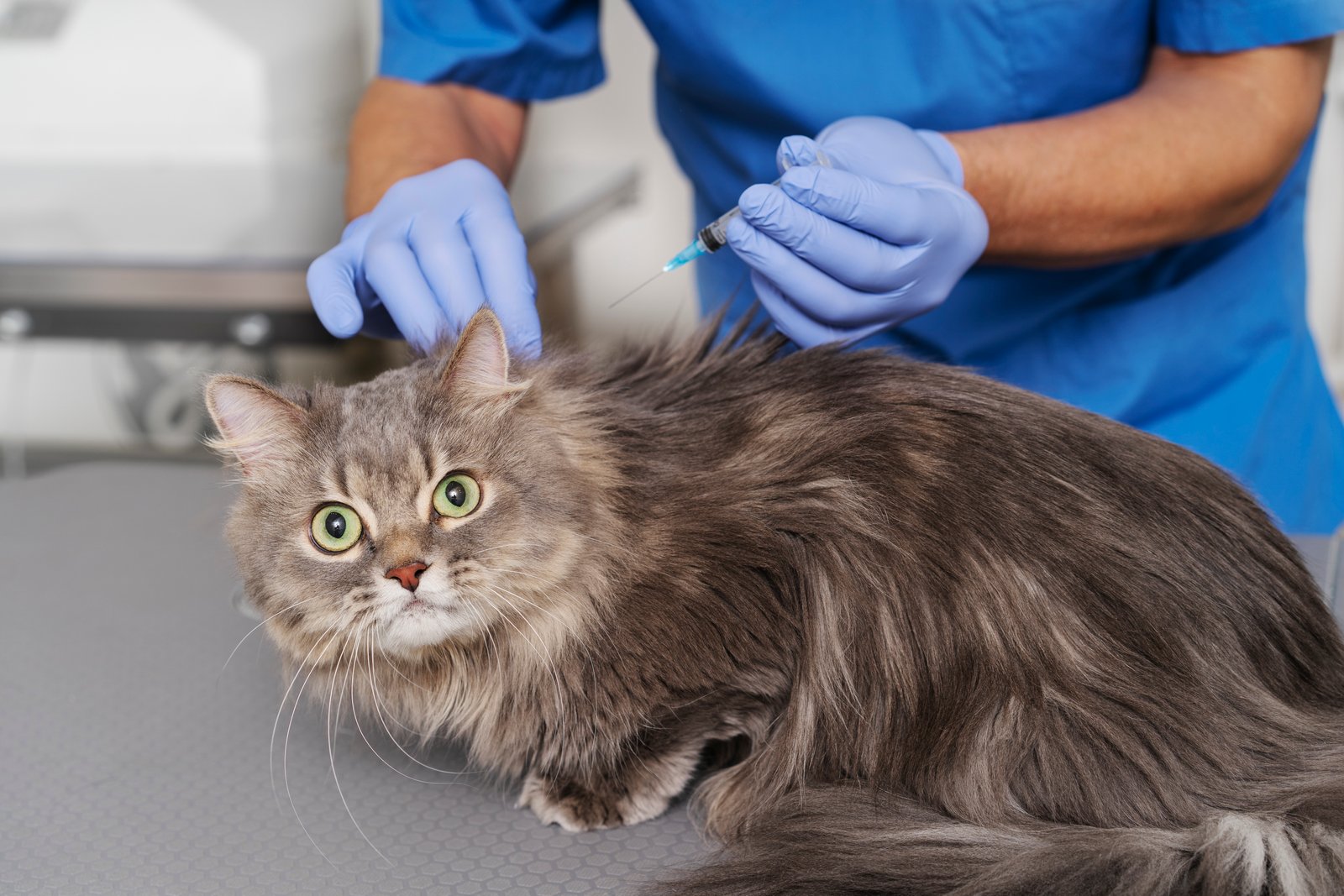
A significant regulatory shift has taken place in Brazil’s veterinary sector following the publication of RDC No. 999/2025 by the country’s National Health Surveillance Agency (Anvisa). The resolution introduces substantial updates to the long-standing Portaria 344/1998, creating a more structured environment for the medical-veterinary use of cannabis-derived substances.
The new framework formalises prescription practices, clarifies classification criteria for tetrahydrocannabinol (THC) content, and sets out pathways for the development of veterinary-specific formulations — marking a notable step in Brazil’s evolving approach to cannabis in healthcare.
Regulated Access for Veterinary Prescriptions
One of the key elements of the resolution is the inclusion of Addendum 12 within List E, granting veterinarians authorised by the Federal Council of Veterinary Medicine (CFMV) the legal basis to prescribe cannabis-based products. These prescriptions must now be issued using a Special Controlled Prescription Notification, harmonising veterinary practice with the controlled-substance standards already applied in human healthcare.
Research published in the Journal of the American Veterinary Medical Association (JAVMA) highlights growing interest in cannabinoid therapy within veterinary medicine, noting potential benefits for conditions such as chronic pain and seizure disorders. Although Brazil’s regulatory system is distinct, international literature has supported the need for clearer professional guidelines — which this resolution aims to provide.
Framework for Veterinary-Exclusive Formulations
The resolution also anticipates the introduction of veterinary-specific cannabis formulations, which will require regularisation by the Ministry of Agriculture, Livestock and Supply (MAPA). Once approved, such products will be classified under List A3, which includes psychotropic substances subject to strict prescription controls.
This move signals Brazil’s intention to create a separate regulatory channel for animal-only products, reducing reliance on formulations originally designed for human use.
THC Concentration Defines Classification
Anvisa’s update further consolidates THC-based classification, separating products according to their concentration:
Above 0.2% THC: categorised under List A3 (Yellow Prescription)
Up to 0.2% THC: classified under List B1 (Blue Prescription)
This threshold aligns with international safety discussions. Studies reported in Frontiers in Veterinary Science have suggested that THC concentration plays a significant role in tolerability and the risk of adverse events in companion animals, supporting the need for precise regulatory cut-offs.
Strict Control Over Raw Materials
Despite the new allowances, controls over botanical derivatives, phytopharmaceuticals and bulk raw materials remain stringent. Whether destined for human or veterinary use, such inputs continue to fall under List A3, reflecting Brazil’s long-standing approach to the handling, transport and storage of controlled substances.
Synthetic CBD Retains Special-Control Status
The resolution also confirms that synthetic cannabidiol (CBD) and pure CBD extracts remain under List C1, maintaining their designation as controlled substances requiring specialised oversight.
This classification aligns with global regulatory tendencies. Reviews published in Animals (MDPI) and Veterinary Sciences emphasise the need for strict quality and purity controls when dealing with isolated or synthetic cannabinoids due to dosage variability and potential drug–drug interactions.
A Regulatory Milestone for Brazilian Veterinary Medicine
Veterinary councils in Brazil, including those in Rio de Janeiro (CRMV-RJ) and São Paulo (CRMV-SP), have been at the forefront of national technical discussions on the subject — advocating for evidence-based regulation and professional autonomy in cannabinoid therapeutics.
By establishing clearer rules and reinforcing both safety and legal security, RDC No. 999/2025 represents a pivotal moment for veterinary practice in Brazil, opening opportunities for research, innovation, and responsible clinical use of cannabis-derived products in animal health.