

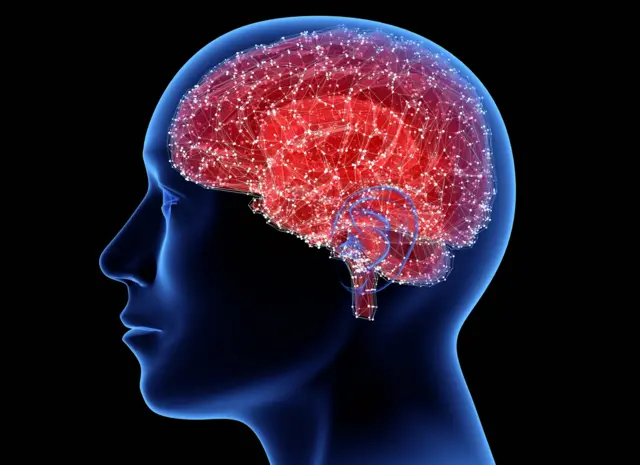

Scientists in the United States have uncovered new evidence suggesting that specific mechanisms within the brain may play a central role in regulating ageing and overall health. The findings, published in the peer-reviewed journal Cell Metabolism, indicate that a protein known as SIRT1 helps preserve physical function and delays age-related decline in laboratory mice, raising important questions about its potential role in human ageing.
The research, led by investigators at the Washington University School of Medicine, focuses on how the brain communicates with the rest of the body to influence metabolism, muscle function and lifespan. Although the results are encouraging, researchers emphasise that the findings are currently limited to animal models and require extensive investigation before any application in humans.
The Role of SIRT1 in the Brain
SIRT1 belongs to a family of proteins called sirtuins, which have long been associated with cellular health, metabolism and the biological effects of calorie restriction. Previous scientific studies have suggested that sirtuins participate in DNA repair, stress responses and energy regulation.
In this study, researchers found that increased activity of SIRT1 in specific regions of the hypothalamus enhanced neuronal signalling. These changes were associated with improvements in skeletal muscle performance, increased physical activity and greater metabolic efficiency in mice.
Animals genetically modified to produce higher levels of SIRT1 displayed characteristics typically seen in much younger mice. Compared with age-matched controls, they maintained higher levels of movement, consumed more oxygen and exhibited increased body temperature, all indicators of a more active metabolism.
Delayed Age-Related Decline
Rather than slowing the biological rate of ageing itself, the researchers believe that elevated SIRT1 activity postpones the onset of many age-associated changes. This distinction is important because it suggests that preserving healthy function for longer may be more achievable than preventing ageing altogether.
The study also observed that mice with increased SIRT1 expression experienced a later onset of cancer-related mortality than control animals. However, the researchers stress that this observation does not demonstrate cancer prevention and should not be interpreted as evidence that SIRT1 alone protects against malignancy.
Links with Calorie Restriction
Scientists have previously reported that calorie restriction, when carefully controlled in experimental settings, can activate pathways involving sirtuin proteins. Such dietary interventions have been associated with longer lifespans in several animal species.
However, experts caution that these findings cannot be directly translated into recommendations for people. Long-term calorie restriction carries potential health risks and should only be undertaken under appropriate medical supervision when clinically indicated.
What This Means for Human Health
Although the findings provide valuable insight into the biology of ageing, there is currently no evidence that increasing SIRT1 activity can safely extend human lifespan. Gene-based therapies targeting this protein remain experimental, and any future clinical application would require rigorous testing through human clinical trials to establish both safety and effectiveness.
Researchers believe the study contributes to a growing understanding that ageing is influenced by complex interactions between the brain, metabolism and multiple biological systems rather than by a single genetic factor.
As scientists continue to investigate these pathways, the research may help guide the development of future treatments aimed at preserving physical function and improving quality of life in older adults, rather than simply extending lifespan.