

Researchers in Australia have identified compounds derived from seaweed that may help prevent infection by norovirus, one of the most common causes of acute gastroenteritis worldwide. The findings come from a collaborative study conducted by scientists at Griffith University in partnership with the Australian biotechnology company Marinova.
Norovirus is recognised globally as a highly contagious pathogen responsible for large numbers of outbreaks of gastrointestinal illness each year. According to international public health estimates, the virus is associated with more than 685 million infections annually, affecting people of all ages and frequently spreading in environments such as schools, hospitals and cruise ships.
Despite its global impact, there are currently no approved vaccines or specific antiviral treatments available for human norovirus infections. As a result, scientists have been exploring alternative strategies capable of preventing the virus from attaching to cells in the digestive system, which is a critical step in the infection process.
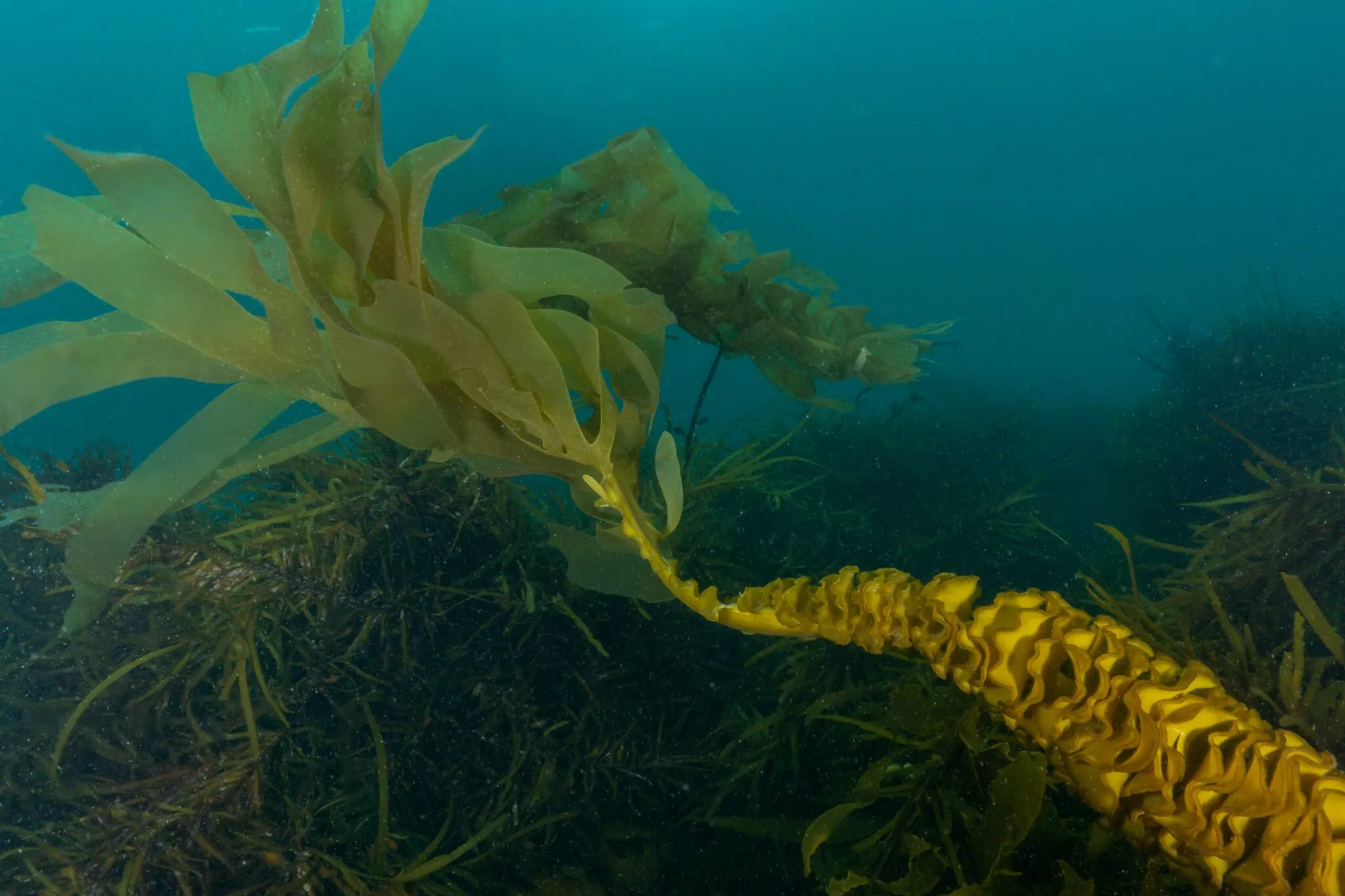
The Australian research focused on compounds naturally present in brown and green seaweeds, particularly molecules known as fucoidan and ulvan. These substances belong to a group of marine polysaccharides that have previously been investigated for their potential biological and therapeutic properties.
Laboratory experiments analysed whether these compounds could interfere with the mechanism used by norovirus to infect human cells. The virus typically initiates infection by attaching to molecules in the intestinal tract known as histo-blood group antigens (HBGAs). These structures act as binding targets that enable viral particles to attach to host cells.
According to the researchers, fucoidan—extracted from brown seaweed—demonstrated the most consistent ability to block the interaction between viral particles and the molecules involved in this binding process. By occupying the region where the virus would normally attach, the compound may act as a protective barrier, making it more difficult for the pathogen to establish infection.
Scientists involved in the study noted that fucoidan has a history of use in dietary applications and has previously shown good tolerability in human studies, particularly as an ingredient in certain nutritional supplements. Because of this, it is considered a promising candidate for further investigation as a preventive strategy against viral gastrointestinal infections.
The research team emphasised that additional studies are still required to determine how these compounds could be effectively delivered within the human gastrointestinal system. Future investigations aim to explore formulations capable of maximising the protective effects of fucoidan within the digestive tract.
Norovirus infection typically causes acute gastroenteritis, an inflammation of the stomach and intestines that can lead to symptoms such as nausea, vomiting, watery diarrhoea, abdominal pain, fever, headache and muscle aches. Although most cases resolve without long-term complications, the illness can spread rapidly and represents a major public health burden worldwide.
The findings from the research conducted in Australia were published in the scientific journal Microbiology Spectrum and contribute to a growing body of evidence exploring how natural marine compounds may play a role in future preventive approaches to viral infections.