

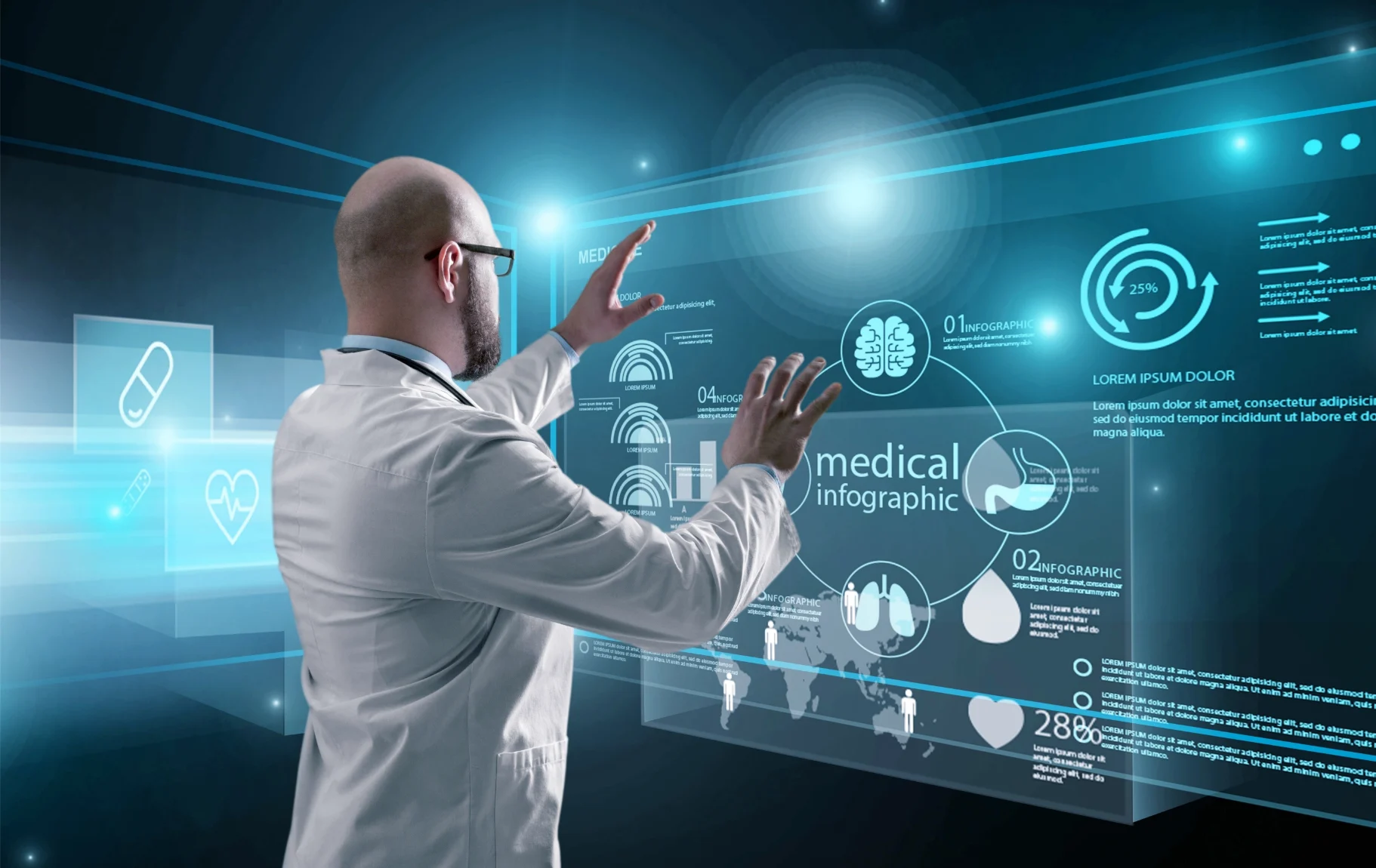

Artificial intelligence (AI) is increasingly being integrated into healthcare systems across countries such as China, the United States, the United Kingdom and Germany, fundamentally transforming how diseases are diagnosed and managed. From radiology to predictive analytics, AI-driven tools are reshaping clinical workflows and improving diagnostic accuracy.
Machine learning algorithms are now capable of analysing vast datasets, including medical imaging, electronic health records and genomic information, to identify patterns that may not be detectable by human clinicians. In China, AI-assisted radiology has significantly improved efficiency in high-volume hospitals, enabling faster diagnosis of conditions such as lung cancer and neurological disorders.
In the United Kingdom, NHS pilot programmes are exploring the use of AI in triage systems, helping to prioritise patients based on urgency and optimise resource allocation. Meanwhile, in the United States, research institutions are developing predictive models that can identify patients at risk of chronic conditions, allowing for earlier interventions.
Despite these advancements, the integration of AI in healthcare raises important ethical and regulatory challenges. Issues related to data privacy, algorithmic bias and accountability remain central concerns. Experts warn that poorly designed algorithms may inadvertently reinforce existing health disparities if not carefully monitored.
Regulatory bodies in Europe and North America are working to establish frameworks that ensure the safe and equitable use of AI technologies. Transparency, validation and continuous monitoring are considered essential components of responsible implementation.
As AI continues to evolve, its role in healthcare is expected to expand, potentially improving patient outcomes while also redefining the relationship between clinicians and technology.