

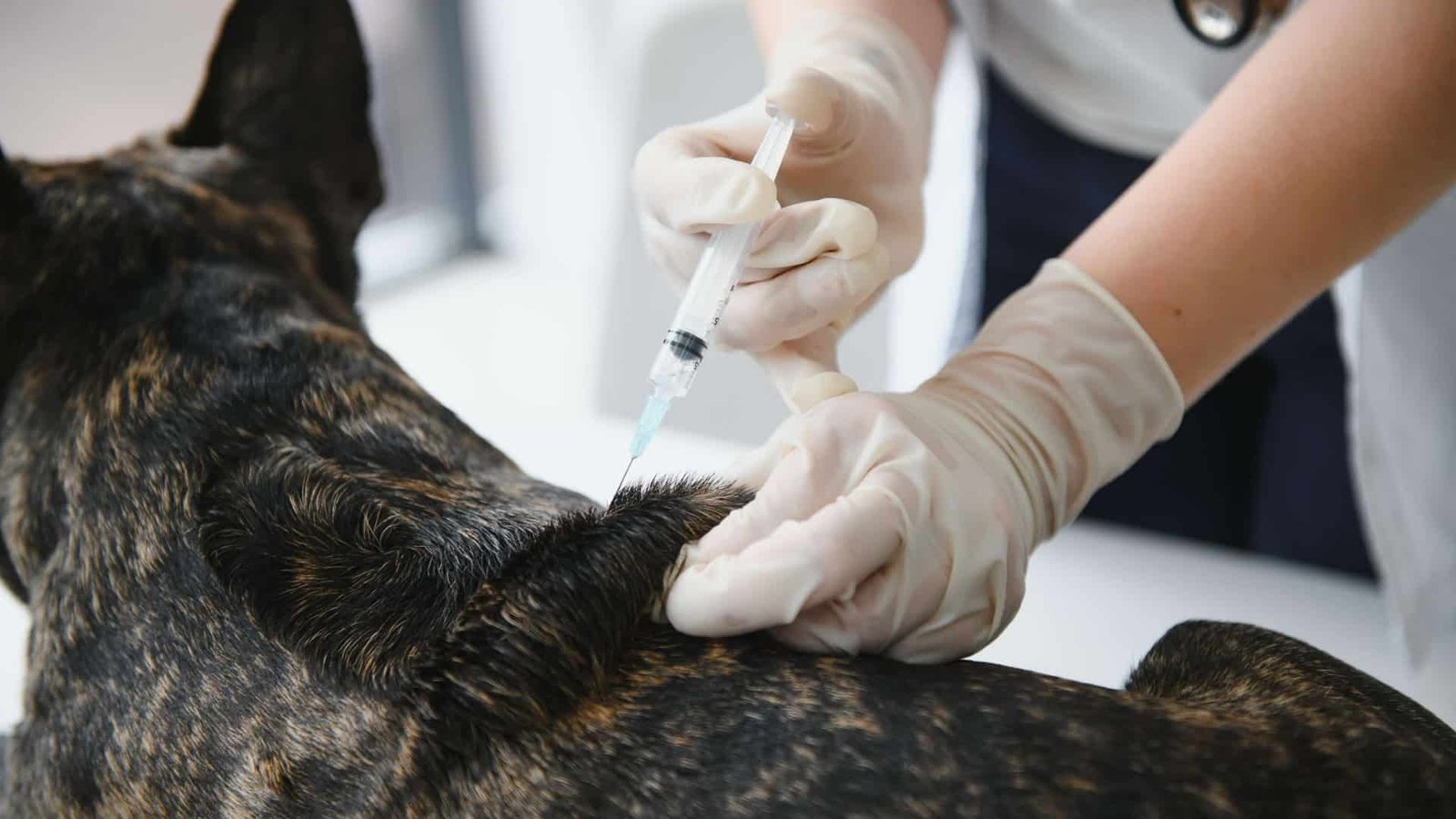
A case emerging from Australia has drawn international attention to the expanding role of artificial intelligence in biomedical innovation, after a technology entrepreneur collaborated with researchers to develop an experimental mRNA-based therapy for a dog diagnosed with cancer.
The initiative began when the engineer’s mixed-breed dog was diagnosed with an advanced mast cell tumour, a form of cancer commonly found in dogs. Facing a poor prognosis, the owner began exploring potential experimental solutions using computational tools and artificial intelligence systems to better understand the disease.
Although he had no formal training in molecular biology, his professional background in data analysis allowed him to explore scientific literature and computational resources. Using the conversational AI platform ChatGPT alongside the protein-structure prediction system AlphaFold developed by Google DeepMind, he assembled a conceptual framework aimed at designing a personalised immunotherapy strategy.
The process relied on techniques commonly used in modern cancer research. First, genomic sequencing was performed to compare the dog’s healthy DNA with the DNA found in the tumour cells. This comparison enabled the identification of mutations potentially responsible for tumour growth.
Once the genetic alterations were mapped, computational modelling tools were used to analyse the proteins produced by those mutated genes. The aim was to determine whether the immune system could be trained to recognise these abnormal proteins as targets. Based on this information, a preliminary design for an experimental messenger RNA therapy was drafted.
Messenger RNA technology, widely known due to its use in vaccines against COVID-19, works by instructing cells to produce specific proteins that trigger an immune response. In oncology research, the same principle is being explored to help the immune system recognise and attack cancer cells carrying distinctive molecular markers.
Researchers associated with the University of New South Wales in Australia eventually assisted in synthesising the experimental mRNA compound. The treatment was administered to the dog in late 2025 as part of an experimental attempt to stimulate an immune response against the tumour.
According to the scientists involved, the tumour — which had grown to a considerable size — demonstrated a noticeable reduction after the treatment, shrinking by approximately half. While the result does not constitute a cure and remains an isolated experimental case, the outcome surprised researchers and stimulated discussions about the future of personalised medicine.
Experts emphasise that such approaches remain highly experimental and require rigorous clinical validation before they can be applied broadly in either veterinary or human medicine. Nevertheless, the case illustrates how advances in genomics, artificial intelligence and RNA-based therapeutics are converging to accelerate the development of personalised treatments.
In recent years, personalised cancer vaccines based on mRNA have become a major area of scientific investigation. Several clinical trials worldwide are examining whether custom-designed RNA sequences can train the immune system to recognise tumour-specific mutations in individual patients.
Researchers believe that integrating artificial intelligence with genomic analysis could significantly reduce the time required to design these therapies. However, the development of safe and effective personalised cancer treatments still depends on extensive laboratory research, regulatory approval and controlled clinical studies.
Although the Australian case involves a single animal patient, scientists suggest it highlights the broader potential of combining AI-driven analysis with molecular medicine. As research continues, these technologies may play an increasingly important role in shaping the future of oncology and personalised healthcare.