

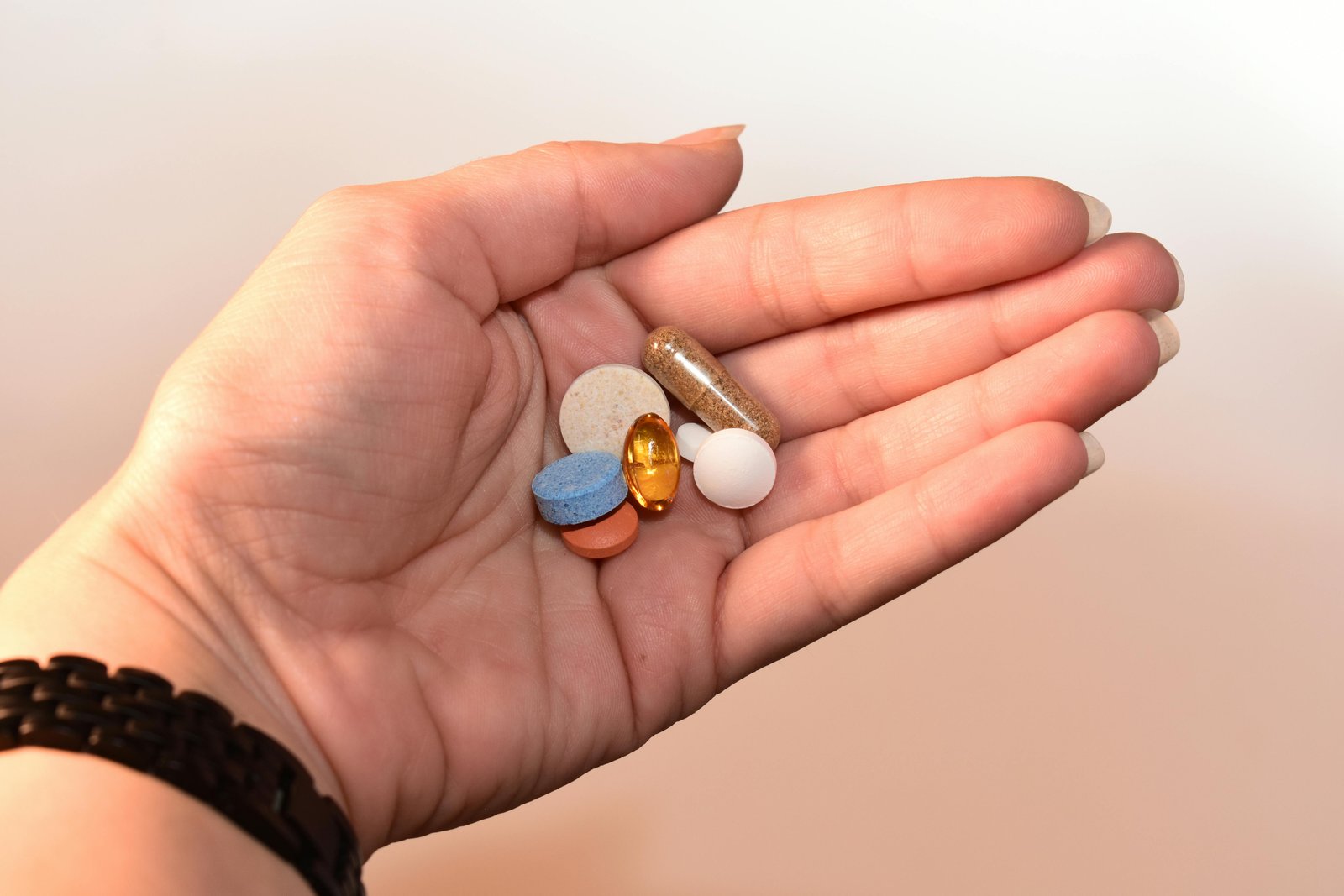
Antimicrobial resistance (AMR) continues to pose an urgent threat to global health, with Europe reporting more than 35,000 deaths every year linked to infections caused by drug-resistant microorganisms. Italy alone accounts for around 12,000 of these fatalities, according to recent figures released by the Italian Medicines Agency (AIFA). Despite a projected reduction of 5.1% in 2024, antibiotic consumption in Italy remains 10% higher than the European average, particularly in southern regions.
In recognition of World Antimicrobial Awareness Week, the Italian National Institute of Health (ISS) has issued a comprehensive guide aimed at helping the population better understand antimicrobial resistance, its risks and the practical steps needed to safeguard both human and animal health.
Understanding Antimicrobial Resistance
The ISS defines antimicrobial resistance as the capacity of bacteria to withstand one or more antibiotics, allowing them to survive and continue multiplying. This resistance can be inherent, meaning the microorganism is naturally unaffected by a specific drug, or acquired, when exposure to antibiotics enables bacteria to adapt and develop new survival mechanisms.
AMR is undermining medical progress by reducing the effectiveness of life-saving treatments and compromising our ability to manage severe infections in humans, animals and even plants. Projections suggest that if no meaningful action is taken, the global death toll related to resistant infections could reach 39 million by 2050.
Economic Impact Across Europe
Europe faces enormous economic consequences due to AMR. Treating infections caused by resistant organisms is estimated to cost €12 billion annually, accounting for extended hospital stays, additional diagnostic procedures and more complex therapeutic strategies.
The repercussions extend to the agricultural sector as well. Resistant infections in livestock increase treatment costs, reduce productivity and raise serious concerns about food security. ISS estimates indicate that by 2050, drug resistance may lead to losses equivalent to the yearly food consumption of more than 2 billion people—about one-fifth of the projected global population.
The Interconnected Nature of Human, Animal and Environmental Health
More than 60% of pathogens capable of infecting humans originate from domestic or wild animals, highlighting the inseparable link between environmental, animal and human health. Excessive or inappropriate use of antimicrobials in both medicine and veterinary care, combined with environmental contamination, accelerates the emergence of resistant strains.
This interconnected dynamic underscores the principles of the One Health approach, which emphasises that protecting animals and ecosystems ultimately strengthens human health protection.
Responsible Antibiotic Use: ISS Key Recommendations
1. Take Antibiotics Only When Prescribed
The ISS stresses that antibiotics should be used exclusively under medical or veterinary guidance. Interrupting treatment early, missing doses or self-medicating can enable resistant bacteria to flourish, increasing the likelihood of reinfection and contributing to the spread of resistant strains.
2. Maintain Proper Hand Hygiene
Regular handwashing remains one of the simplest and most effective ways to prevent infections. Washing hands before eating or preparing food, after using the toilet, handling animals or returning from outdoor environments helps limit bacterial transmission.
3. Prevent Food Contamination
The ISS advises maintaining strict kitchen hygiene, such as cleaning utensils, separating raw and cooked foods and thoroughly cooking meat, poultry, eggs and seafood. These practices help decrease the risk of harmful bacterial growth, reducing the chances of acquiring infections caused by resistant microorganisms.
4. Wear a Mask When Ill
Staying at home when possible or wearing a mask if it is necessary to go out can reduce the likelihood of transmitting infections to others—including animals—some of which may involve drug-resistant organisms.
5. Protect Pets from Exposure
Resistant bacteria can also affect household pets, potentially requiring longer or more intensive treatment. Regular veterinary check-ups, appropriate nutrition, vaccinations and proper hygiene are essential to reducing infection risks in companion animals.
6. Use Antimicrobials in Animals Responsibly
Just as in human medicine, antimicrobials for animals should only be administered under professional supervision. The ISS also warns against using antibiotics intended for humans in animals, as this practice can accelerate the development of resistance.
7. Dispose of Medicines Correctly
Improper disposal of antimicrobials can contaminate the environment and contribute to resistance. The ISS recommends avoiding the storage of expired medicines and advises against throwing them into household waste or flushing them down the toilet. Instead, unused or expired antibiotics should be returned to pharmacies or disposed of according to local guidelines.
A Collective Responsibility for the Future
The situation in Italy reflects a broader European challenge that demands coordinated action, public awareness and strict adherence to responsible antibiotic use. By following evidence-based recommendations, individuals, healthcare professionals and communities can collectively slow the spread of antimicrobial resistance—protecting current and future generations from one of the most pressing public health threats of our time.