

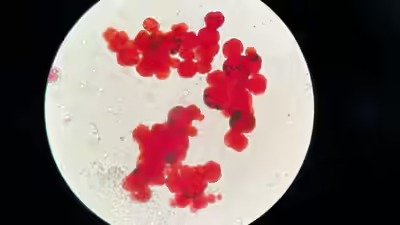

A significant scientific breakthrough in Eurasia is reshaping current understanding of the origins and transmission of one of history’s most devastating infectious diseases. Researchers have identified genetic material from Yersinia pestis—the bacterium responsible for plague—in animal remains dating back approximately 4,000 years, offering new insights into how early pandemics may have emerged and spread.
The discovery, reported in the peer-reviewed journal Cell, marks the first time that ancient plague DNA has been successfully recovered from a non-human host of such antiquity. The material was extracted from the remains of a domesticated animal uncovered in a Bronze Age settlement located in the southern Ural region, an area historically associated with early human migration and pastoral activity.
Until now, most genomic evidence of ancient plague infections had been derived from human skeletal remains. This new finding broadens the scientific perspective, indicating that animals may have played a more substantial role in the epidemiology of early infectious diseases than previously recognised.
Scholars in the field of palaeomicrobiology—the study of ancient pathogens—suggest that the close coexistence between humans and domesticated animals during the Bronze Age likely created favourable conditions for cross-species transmission. Increased interaction through herding, shared habitats and food sources may have facilitated the spread of infectious agents across species boundaries.
Importantly, genetic analysis of the recovered bacterial material indicates that early strains of Yersinia pestis differed from those responsible for later historical outbreaks, such as the medieval Black Death. Notably, these ancient strains appear to have lacked certain genetic adaptations associated with flea-borne transmission, a mechanism widely recognised in later pandemics. This suggests that alternative routes—such as direct contact, respiratory exposure or contamination through food—may have been responsible for disease transmission in prehistoric populations.
These findings align with broader scientific literature highlighting the role of zoonotic diseases in human history. According to studies published by organisations such as the American Society for Microbiology, many infectious diseases affecting humans today originate in animal hosts. Understanding these historical transmission dynamics is therefore critical for modern public health preparedness.
Furthermore, genomic comparisons indicate that the strain identified in the animal remains shares similarities with lineages previously detected in ancient human populations across Eurasia. This reinforces the hypothesis that human mobility, including migration and trade routes, contributed significantly to the geographical spread of infectious diseases in prehistoric times.
The implications of this research extend beyond historical interest. By reconstructing the evolutionary pathways of pathogens, scientists are better equipped to understand how diseases adapt, persist and re-emerge. Publications in journals such as Nature Reviews Microbiology emphasise that studying ancient DNA can provide valuable context for contemporary infectious disease surveillance and prevention strategies.
While separated by millennia, the findings serve as a reminder that the relationship between human and animal health has long been interconnected. In an era where zoonotic diseases continue to pose global risks, insights from ancient Eurasia highlight the enduring importance of monitoring interactions between humans, animals and their shared environments.
As research in ancient pathogen genomics advances, discoveries such as this contribute to a more comprehensive understanding of how pandemics originate—offering lessons that remain highly relevant to global health today.